


It tells you when you can count revenue based on product or service delivery. Calculate charges instantly and send the invoice to the customer to ensure on-time payment during the billing phase of the Q2C process. If you have ever been involved in a contract negotiation, you know it is a living, and constantly changing document, riddled with redlines and the need to track multiple different versions. Once you begin the contract negotiation phase, it’s critical to get quote-to-cash process detailed visibility into what is changing in your contracts as they go through multiple iterations. Automatically providing this information and visibility to your legal team can cut down on the needless tasks that waste the time of busy legal professionals. Before the days of QTC automation, data reporting and analysis across each step was impractical.

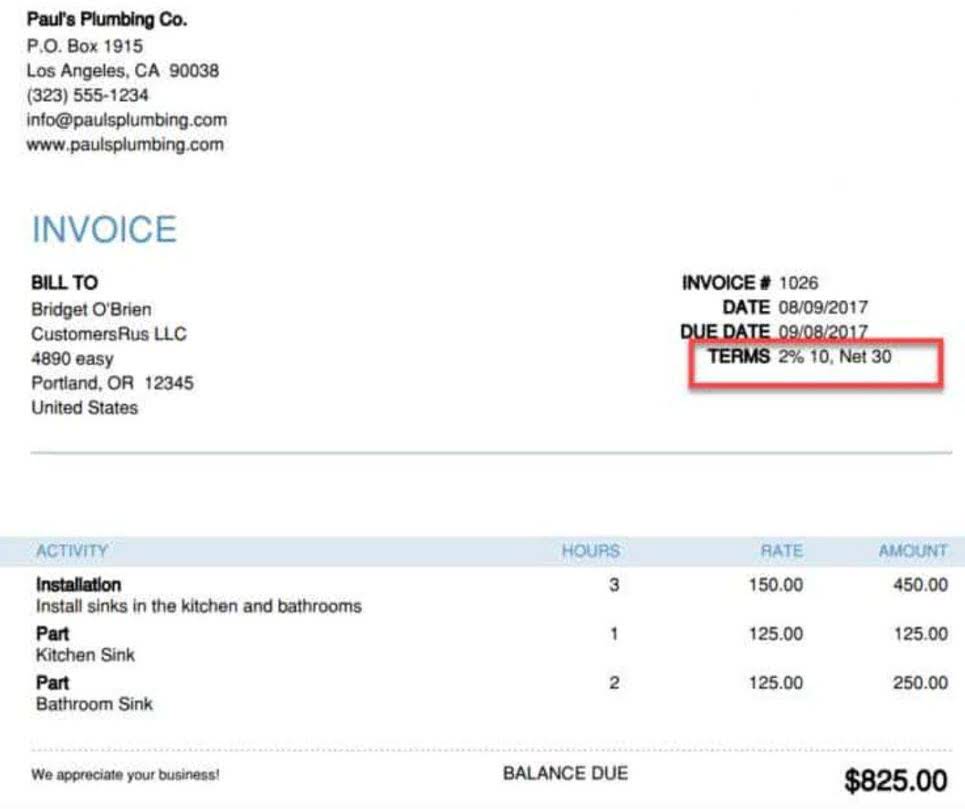
Billing and invoicing
Quote-to-cash (Q2C) is a term that describes the end-to-end business processes related to the sales lifecycle. The process spans from the moment you present an offer to a prospect to the time revenue is collected, allocated, and recorded. The final bill is usually sent to the customer along with the fulfilled order.Billing usually brings the sales and accounting teams together to put the final quote on the ledger. Attention to detail is key — an incorrect amount billed can Digital quote to cash software can automate this process and minimize room for error. Manual billing means constant back-and-forth communication with the customer and accounting teams.Recurring billing can also help streamline your process if your product is subscription-based.

AI for Quoting and Pricing: From CPQ to Dynamic Offers

Performance data was better suited to improving singular functions contained in QTC, such as order management and invoicing. It accelerates the front end of the process for the organisation and the customers and imposes a series of controls to ensure consistency and quality. Streamlining the quote-to-cash process is beneficial for any business. It enables the business to overcome the challenges of a manual process and improves the efficiency of the process. Finance teams need to accurately recognize the revenue for financial reporting integrity. In cases where the payment is of recurring nature, it becomes all the more important to adhere to an accurate recognition of income to show precise profits and losses.
Hyper-Personalization with AI: Drive Customer Loyalty in Saturated Markets
CPQ — which stands for configure, price, quote — is a critical part of the quote-to-cash (QTC) process. QTC is the broader end-to-end workflow that includes CPQ and extends through contracts, billing, and payment collection. In outdated, manual configuration processes, Sales Cloud reps have to comb through spreadsheets and product databases one by one to find the information they need. This leaves salespeople to rely on their best judgment to deliver customer quotes in a timely manner, and often results in inconsistencies and errors.
Identify sales opportunities
Payments can be made through offline or online methods, depending on your customer. But QTC isn’t just about getting paid (although that’s a big part of it). It also includes the critical steps of configuring the right product or service, pricing it correctly, managing contracts, fulfilling orders, and finally, billing and revenue recognition. As businesses continue to shift toward recurring revenue models and faster delivery expectations, the quote-to-cash process plays an increasingly strategic role. It’s not just about billing or fulfilment anymore, it’s about creating a connected, end-to-end experience that supports every team and every customer interaction. Accelerating quote-to-cash isn’t just about plugging in new tools, it requires rethinking the process end-to-end, with people, systems, and customer experience in mind.
Offers, Pricing, and Quotes
Accurate creation of the contract helps the sales team capture the deal details and allows for visibility from stakeholders. By law firm chart of accounts effectively managing these key components, organizations can streamline their Q2C process, enhance customer experiences, improve operational efficiency, and maximize revenue capture. According to US GAAP, revenue can only be recognized once it is ‘earned’ by providing the said product and service to the customer. With sales reps juggling multiple spreadsheets, there are bound to be errors in recording the correct contract and payment terms. Understanding these layers is key to streamlining the entire sales process. Each stage must be executed seamlessly to ensure efficiency and accuracy, ultimately leading to a smoother, more effective sales cycle.
- This could include an inventory management system that effectively allocates resources and automatically orders materials when needed.
- To manage Q2C effectively, you need a clear system for handling expenses and revenue.
- Customization options enable you to tailor templates to reflect your brand identity.
- In this step, the salesperson comes up with a quote for the prospect based on the information already recorded.
- Automating revenue recognition and integrating it with your billing system will enable finance teams to recognize revenue accurately.
- We deliver insights, tips, and strategies on starting and growing your business, helping you navigate the path to success.
Step 2: Contract management
- Businesses should evaluate their specific needs, such as budget, required features, and integration capabilities.
- Contract management is a key part of quote-to-cash, but it often gets overlooked.
- Manual billing means constant back-and-forth communication with the customer and accounting teams.Recurring billing can also help streamline your process if your product is subscription-based.
- The quote-to-cash (QTC) process encompasses many Sales Cloud, account management, order fulfillment, billing, and accounts receivables functions.
- Since then, business leaders and everyday people alike have emphasized its value.
By implementing Q2C solutions, organizations can achieve a more efficient, accurate, and customer-focused sales process, ultimately driving growth and profitability. So, quote-to-cash covers not only fulfilment and payment but also the initial sales activities like quoting and contracting. It provides a full picture of customer management from the first contact to the final payment. In a SaaS environment, the ability of your QTC software to integrate with your existing systems is non-negotiable. Seamless integration ensures that data flows smoothly between your CRM, ERP, billing systems, and financial tools, which is essential for maintaining an efficient and error-free QTC process. Non-compliance isn’t just a regulatory risk—it can also harm your business’s reputation and financial health.

It’s like the full journey your customer takes with your company, starting with that initial spark of interest and ending when the money lands in your bank account. The handoff from sales to onboarding is one of the most critical moments in the quote-to-cash process. Delays here can frustrate customers and set the wrong tone from day one. One way to improve it is by making entitlement information immediately accessible to onboarding and customer success teams.
Common challenges in the quote-to-cash process
You don’t need perfection – just enough completeness that the model’s suggestions are more right than wrong and easy to audit. Protect sensitive data – customer PII, pricing, legal terms – using role‑based access, encryption in transit and at rest, and hardened endpoints. Keep models from training on proprietary content without explicit controls and retention policies. These micro‑shifts compound into material revenue differences over a quarter.
An efficient quote-to-cash process automates manual tasks like invoice generation and payment tracking. This improves collaboration among sales, finance, and https://www.bookstime.com/ other teams, reducing delays. By employing a QTC solution, you can easily manage all the independent actions that make up the quote-to-cash cycle.